
Why You Should Replace Your Missing Teeth
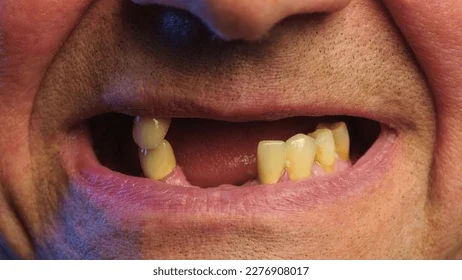
Losing a tooth may seem like “just a small gap,” especially if it’s not visible when you smile. But missing teeth can affect more than just appearance. Over time, they can impact your oral health, confidence, speech, and even the way you eat.
The good news? Modern dentistry offers several ways to replace missing teeth and restore your smile comfortably and naturally.
What Happens When a Tooth Is Missing?
Many people delay treatment because the gap doesn’t hurt. However, leaving a missing tooth untreated can lead to problems over time.
1. Teeth May Start Shifting
Your teeth work together to stay in position. When one tooth is missing, nearby teeth may slowly move into the empty space. This can cause:
Crooked teeth
Bite problems
Food trapping
Difficulty cleaning between teeth
2. Difficulty Chewing Food
Missing teeth can make chewing less effective, especially if the gap is at the back of the mouth. Some people may start chewing on one side only, which can strain the jaw and surrounding teeth.
3. Changes in Facial Appearance
Teeth help support the structure of your face. Missing teeth, especially multiple teeth, may cause the face to appear “sunken” or older over time.
4. Bone Loss in the Jaw
The jawbone needs stimulation from teeth to stay strong. When a tooth is missing, the bone underneath may slowly shrink because it is no longer being used.
5. Lower Confidence
Many people feel self-conscious about smiling, laughing, or speaking when they have missing teeth. Replacing the tooth can help restore confidence and improve quality of life.
Options to Replace Missing Teeth
There are several treatment options available depending on your condition, needs, and budget.
Dental Implant
A dental implant replaces the root of the missing tooth and supports a crown on top. It looks and functions very similarly to a natural tooth.
Benefits:
Natural appearance
Strong and stable
Helps maintain jawbone
Long-lasting option
Dental Bridge
A bridge fills the gap by attaching an artificial tooth to the teeth beside it.
Benefits:
Faster treatment
Restores chewing ability
Fixed in place
Denture
Dentures are removable appliances used to replace one or multiple missing teeth.
Benefits:
Affordable option
Suitable for multiple missing teeth
Improves appearance and function
When Should You Replace a Missing Tooth?
In general, it’s better not to wait too long. Replacing a tooth earlier can help prevent shifting, bone loss, and other dental problems.
If you are unsure which option is suitable for you, a dental consultation can help you understand the best treatment based on your condition.
Final Thoughts
Missing teeth are more than just a cosmetic issue. They can affect your oral health, comfort, and confidence over time. Replacing missing teeth can help restore your smile, improve chewing, and protect your remaining teeth.
A healthy smile is not only about appearance — it’s also about function, comfort, and long-term oral health.